From Sarah, With Joy

*Poet * Author * Wanderluster*

Showing posts with label Characters. Show all posts

Monday, October 13, 2014

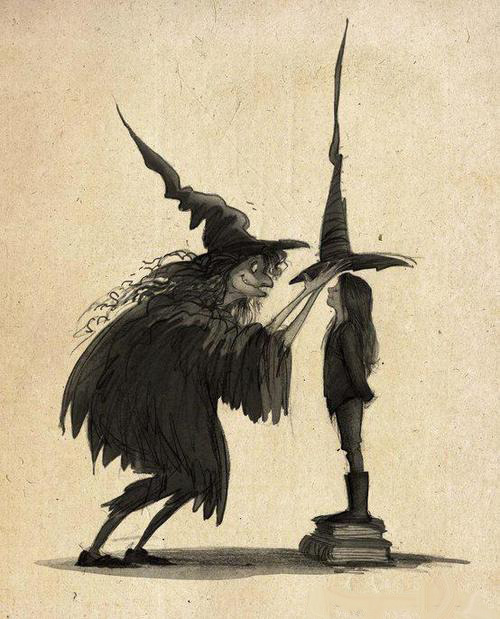
5 Traits of Seriously Despicable Villains

There is a whole spectrum of antagonists and characters who are just awful people. There's the cackling, hand-wringing villain, the sweet but deadly villain, the shy misunderstood villain, and even villains who probably more like anti-heroes (*ahem* Snape *ahem*). These types of characters are kind of fun to watch. We like to see them be witty and snarky or finally show their true inner feelings.


But there's a difference between characters we love to hate, and characters we just point-blank hate. Period.

I'm talking about the latter kind of character. I'm talking about characters who are honestly no fun at all, who make our skin crawl, who can even make us sick to our stomach. Because sometimes those are the characters our protagonists are going up against. I can think of quite a few characters who are rude, dishonest, even petty, who people still end up rooting for. So what is that makes a character truly despicable?

To be honest, I'm not very naturally good at writing villains, which is why I've been thinking about this lately. When I try to write out and out villains I typically end up liking them too much, and then they turn out more like anti-heroes than real villains. So I've been thinking of villains that I consider truly horrific, and trying to see what traits those characters have that make them so utterly loathsome. Here are some I've come up with.

1. Misogyny and Racism. The second a character in a book or show evinces an inkling of misogyny or racism, they loose all credibility. That is the instant I stop being able to take them seriously in any way. Everything they say from that point on becomes pure bunk. And if a character is so unsympathetic you don't even consider them worth your notice, I think that's a successfully unsympathetic character.

2. Mistreatment of Subordinates. This is a big one. You know the classic screenwriting book, Save the Cat? Well, the title of that book comes from a type of scene that typically comes early on in the movie. It's either a "save the cat" scene or a "kick the cat" scene. If a character seems aloof, rude, or otherwise unlikable, but then comes across a stuck cat and tries to help, we start seeing the possibility of redemption for that character. On the other hand, if a character seems pleasant and charming but, when left alone, starts kicking cats, we as an audience feel we've seen the characters true and contemptible nature. "Kicking the cat" comes in many forms, whether its manipulation, physical violence, or something else. But if you want a villain your readers truly hate, a character who mistreats those with less power is a good way to go.


3. Lack of Remorse. In my opinion, one of the most successful villains ever written is Wild Bill from Stephen King's The Green Mile. (Trust Stephen King to come up with the great villains. And Sam Rockwell's brilliant portrayal in the film adaptation doesn't hurt either.) One of the things that makes Wild Bill so gut-wrenchingly awful is that he is not only outright racist, he not only assaulted two little girls, but he thinks its funny. He spends his time laughing and shouting awful things to the guards and other inmates, and only takes things seriously long enough to be let out of the straight jacket before he's back at it again. If we sense true repentance in a character, I think we can forgive them nearly anything. But lack of remorse equals lack of sympathy.

4. Sense of Entitlement. In almost any crime show, every few episodes you'll come across a criminal who's committing crimes at least in part because they feel they are above the law. They feel that they are above the "common crowd." They are special. This sense of entitlement is particularly awful when combined with abuse of those less powerful. In low doses this basically just makes readers roll their eyes, but taken to extremes can make your audience want to pull the dang rug out from under this idiot in as dramatic and violent a way as possible.


5. Sadism. This one can really get your skin to crawl. And it's one of the reasons I had to stop watching Criminal Minds, because they did this so strongly in a lot of their villains. But let's take a lighter example, like Princess Bride. Prince Humperdink's manipulation of his subordinate (Princess Buttercup) is totally creepy, but equally creepy is the way Count Rugen's eyes get wide with pleasure as he's torturing Wesley in the Pits of Dispair. (Don't even think about trying to escape. Also I still can't believe that's Christopher Guest). Adding that layer of liking the terrible things they're doing to other people really ups the readers disgust.

Now it's your turn. Which are your favorite examples of truly despicable villains? Are there more traits we should add to this list?

Write on!

Sarah Allen

This Week on Social Media:
For more frequent updates, writing tips, and funnies, follow on Facebook, Twitter, Google+, 
YouTube, Pinterest, Tumblr, GoodReads, and/or Instagram.

SUBMISSION OPPORTUNITIES:

  • Cicada Magazine: Cicada YA lit/comics magazine seeks submissions for an upcoming issue on Tricksters and Thieves. We’re on the lookout for tales of pirates, con artists, and trickster gods; explorations of glamour, enchantment, sleight of hand, and other crafts of illusion; and investigations of the slipperiness of the authentic self in a world of performances. We’re also interested in forms of creative appropriation: translation, fan fiction, retold tales, found art and poetry. Due Oct. 31.
  • Coe Review Magazine: Coe Review, established in 1971 and run by an entirely undergraduate editorial staff, wants to read your poetry and fiction. From our hundreds of submissions, we choose those with refreshing perspectives, forms, styles, and messages. Due Oct. 25.
  • Damselfly Press: damselfly press seeks to promote exceptional writing by women. We welcome work from female writers of all experiences. If you’d like to submit, please first visit our guidelines section before emailing your submission. Rolling Submissions.
  • Storm Cellar Magazine: Storm Cellar, a literary journal of safety and danger, seeks amazing fiction, poetry, creative nonfiction, and flash. We welcome visual art in any medium. Midwesterners and women are encouraged; we're listening for diverse voices. Rolling Submissions.

SPOTLIGHT:

Wednesday, June 25, 2014

Writing Characters You Disagree With

This is something I've been thinking about recently.

A lot of times we create our stories and our characters based on ourselves, and things we feel the need to say. A lot of times our characters are ways for us to portray and defend out particular point of view. That's as it should be, I think. One of the greatest things about stories is that they provide a chance for our voices to be heard, via our characters. Being open in this way allows the story to connect with its readers who feel the same way. Like our good pal C. S. Lewis said, "We read to know we're not alone."

But.

What about characters you disagree with?

And I'm not talking about straw men characters--dumb, useless characters that "represent" the opposing point of view just so you can knock it down. I'm talking about really intelligent, engaging characters who fundamentally see the world differently than you do.

(Speaking of gorgeous, brilliant, fantastically written characters who see the world much more pessimistically than I wish to...)

This is an interesting challenge to think about, and honestly, I'm not sure it could ever be done perfectly, since we are in fact the ones creating all our characters. However it might be worthwhile to think about and try.

I think there are lots of different ways to do this. Your opposing viewpoint character could eventually come around to your perspective, or not. Or maybe, and this is perhaps my preferred method, your two characters eventually talk things through and realize that many of the areas they thought they disagreed on, they actually have a lot in common. Maybe your opposing viewpoint character isn't even looking for your main character to change their mind necessarily, they're just looking for some sympathy and validation. Maybe that's the journey your main character needs to go on--finding the right way to give the other characters the sympathy and validation they need. Maybe both characters have a lot of growing and changing to do.

So give this a try. Maybe something surprising will come out of it.

Have you ever written a character you disagree with? What characters from books or movies do you disagree with but also love?

Sarah Allen

Wednesday, July 24, 2013

Whats the Hardest Type of Character for You To Write?

I find this a really interesting question. I think it says a lot about the writer.

We all need to relate to our characters, and I think there are just people we relate to much more easily than others.

For me personally, the characters that I find hardest to write means that I will probably never be a very good classic romance writer. Classic in the sense of normal, traditional. Because those stories usually require confident, hunky people, and that is hard for me. The young, hot, popular guy who is the heart-throb of so many movies and books. In other words:


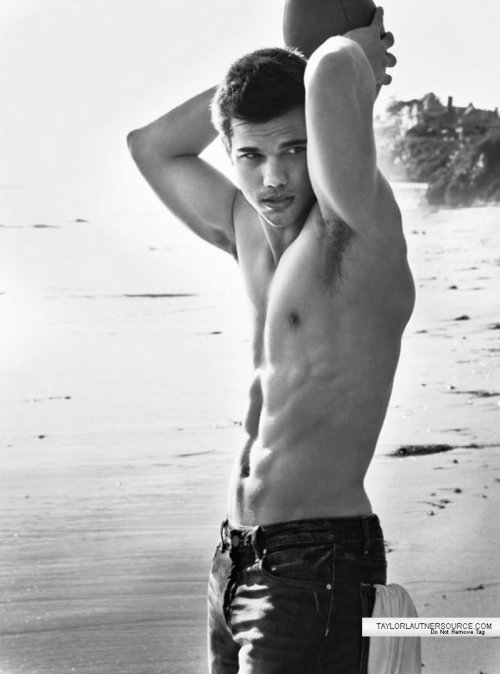
I can't decide if it would be harder for me to write the lead quarterback or his head cheerleader girlfriend. I am much more comfortable with quirk. Characters who aren't quite comfortable in their own skin, who feel weird, who maybe don't have too many friends. I'm not saying any type of character is inherently better than any other, I'm just saying certain characters come easier for certain writers. I just don't see Taylor Lautner fitting in one of my stories anytime soon. Mark Ruffalo maybe :)

So now what. I don't know about you guys, but when someone says I "don't do" something, even if that someone is myself, the contradictory wave rises in me and I think, "Oh yeah? Watch me." Who needs limitations, right? But if we're not going to let ourselves be restricted by these uncomfortable characters, how do we deal with them? I've thought of two ways:

First, work with them anyway. So Traditional Football Hero is my weak spot. I'll think up a short story for that character and try it out. You don't have to stay with the character for more than a day, but it could be a good way to stretch some creative muscles.

Or else, quirk them up. As in, morph them into something your more comfortable with. Maybe I start with Traditional Football Hero but actually he's super shy and secretly hates sports. Or maybe he's a total jerk and ends up being the true antagonist, a la Doctor Horrible's Sing-a-long Blog. I'd be comfortable working with that :)

Your turn. What would be the hardest character type for you to write? Do you think trying them out in a short story or novella would be a valuable exercise?

Sarah Allen

Monday, April 29, 2013

Y is for Yoda

That's right. Er...Right that is.

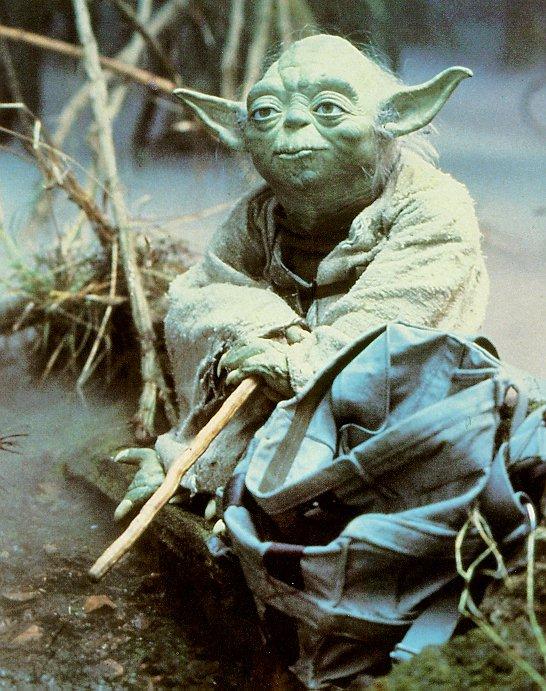
Some characters are so wonderful they become part of our cultural consciousness. Yoda is just such a character. So, what makes Yoda a character everybody loves?

1. Yoda is all wise: There is something appealing about characters who know what they are doing, or who are masters at whatever they do. Yoda and Obi Wan are in this group. They are leaders you can follow. If it is possible to use the force to do something, Yoda can do it. There is no question that he is the master, and you never know what will happen with those kinds of skills.

2. Yoda is subtly kick-butt: Not much explanation needed. You are someone who is not Yoda. Can Yoda whip your trash? Yes he can.

3. Yoda is quirky: Quirky he is. Think of him we do when speech patterns passive strange become. So unique and strange he is, forgotten easily he is not.

So many reasons to love Yoda. Being voiced by Frank Oz doesn't hurt either :) So, yeah, what else can you think of to love about Yoda?

Sarah Allen

Monday, April 1, 2013

A is for Antagonists and Anti-heroes

Welcome to day 1 of the A-Z April challenge everybody!

So my little sisters have a thing with the show Psych. It is their absolute favorite show. So much so that on weekends my mom will come home from a date with Dad and we'll be watching and she'll be like, "Ugh, guys, really, Psych again?" We were talking about the characters we love and I was talking about how much I liked Lassiter and my sister was like, "Sarah, you always like the people you shouldn't like, like Snape and Benjamin Linus and stuff."

They know me so well :)

Anyway. It's true. I know I've talked about this many many times here  on the bloggy blog (and I know I've said I've talked about this many many times) but certain characters are simply so endlessly fascinating that I will never get tired of talking about them. The heroes are attractive and smart and often funny, but there's just something...layered, I guess one could say, about the antagonists and anti-heroes. Yes Carlton Lassiter is obnoxious, domineering, tactless and self-important, but then he writes a note for his girlfriend in prison or gets re-jilted by his ex-wife and you realize what a total sweetheart he is too.

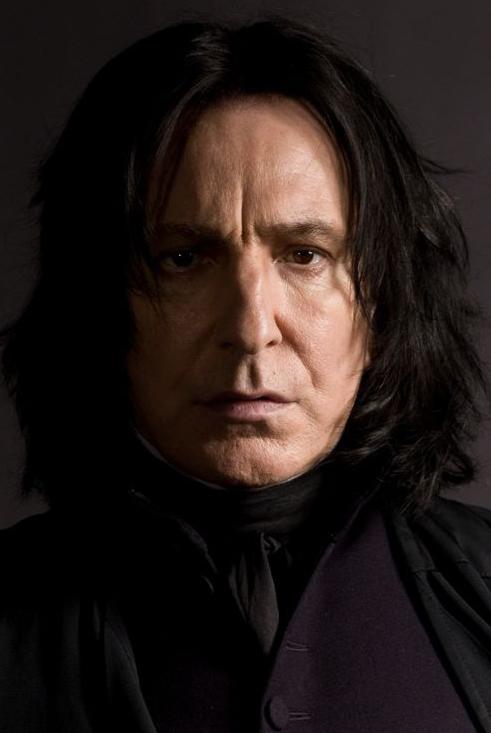
Yes Snape is a rude, conniving, greasy know-it-all, but then you read Chapter 36 and you realize how brave and desperately lonely he is too.

Yes Benjamin Linus is a manipulative, lying, creepy, merciless cuss, but then you see his daughter shot or hear him desperately claim ownership of the pretty girl or see him help Hurley or watch season six and you realize how lonely and intelligent and frightened he is too.

I think that's what it comes down to, the layers. I think its satisfying to see seriously and blatantly flawed characters struggling to understand and become the better person in there somewhere, because that is ALL of us. We're all seriously flawed, and I think frustrated by the disparity between where we are and where we know we could be.

We like watching these characters and waiting for those moments when they reveal how utterly human they are.

Maybe this is just the character trope I personally like the most, but I still think we have a lot to learn from them about flaws in our characters and how that makes them relatable.

What do you think about this type of character? Can you think of other examples?

Sarah Allen

Monday, November 19, 2012

Describing Voices and Facial Expressions

Its really hard.

This is the part of writing that makes me jealous of actors. They say so much with just a flicker of the eyebrow, the teensiest change in inflection. When I try to do this in writing it comes across so much more clunky.

This particular aspect of description has been important to me lately, and here's why: I would so much rather show the emotion on someone's face and let that speak for itself than describe the emotion. It is so easy to dip into cliche when describing emotion. Emotion, particularly intense emotion, is one of those things that goes beyond words, and I'd rather just watch the scene and let the reader go on their own emotional journey. I loved Hemingway because that's what he did. Its also the reason half the class despised him.

So I've been trying to figure this out. Because describing voices and facial expressions can also get extremely cliche. And as I've been trying to pay attention to this in my reading, I've noticed that my facial expression approach is not a common one. Most writers do describe the emotion itself, and when its done well it is beautiful, poetic, and speaks to some universal human Truths. (Thank you F. Scott Fitzgerald)

But I like my faces. This is why I love good acting. The look on Niles' face when he tells Daphne he loves her. Meryl Streep's Julia Child blush or soft "That's all." Forrest Gumps broken face when he sees his son for the first time. Colin Firth King's Speech all the things.

How do you write that?

So I want to try an experiment. I'm going to give you a photo and a video clip. Distinctive ones, at least to me. How would you describe this face and this voice? What are your tactics?

And Go!

Sarah Allen

Monday, August 20, 2012

Sidekicks do it better

I typically find that side characters are more interesting to me than the main heroes. I'm just intrigued by their motivation, and if I try to dig into it they become more and more admirable. I mean, really, what do sidekicks get out of the gig? Not the glory, that's for certain. Maybe Batman protects Robin in some ways, but Robin would probably be much safer just not hanging around Batman in the first place. 

So that leaves basically noble motivation. They want to do what good they can. They are loyal to their hero. Loyal enough with a strong enough friendship to be content with second tier and to be honest, that seems like the harder job.

One of my favorite examples of this is Samwise Gamgee. Totally the best character in LOTR. I took a class on Tolkien, and he thought so too. Sam doesn't get the glory, the hero status, he doesn't even have to go in the first place. He goes because of his friendship with Frodo and his love of the Shire. Simple, honest, true. And really, Ron and Hermione are just so much more engaging and less annoying than Harry.

I love imaging the back story of these side characters, and this is sort of my creative writing challenge for you all today. They don't have to be "side-kicks" in the comic book sense by any means, but just a side character from a story that you think might be interesting to look into. Here are some of my favorites:

Captain Hook. 
Fairy Godmother.
Woodcutter in Red Riding Hood
Hunter in Snow White
Hermes
Gepetto ( I love what Once Upon a Time has been doing with this character)

Anyway, what side character do you find interesting? If you were to write a story with that character as the protagonist, how would it go?

Sarah Allen

Tuesday, August 2, 2011

Four Dimensional Characters: Guest Post by Samantha May

Samantha May currently lives in Nashville, Tennessee; however, she will be moving to Chattanooga in the fall to start her freshman year of college. She is a writer, runner, and an avid reader who is slightly obsessed with Harry Potter. She is currently working on her first novel, a historical piece set during the time of Adolf Hitler's rise to power. You can follow her on Twitter and on her blog.

***
Four Dimensional Characters


What does To Kill a Mockingbird have in common with The Great Gatsby? Aside from being two of my favorite novels as well as two classics, they both have extremely memorable characters. To Kill a Mockingbird has Scout, the innocent child among a racist community, and Atticus Finch, the model parent and the lawyer that defends the black man accused of rape. The Great Gatsby has Nick Carraway, Gatsby’s neighbor as well as the narrator, and Jay Gatsby, a man who willingly changes everything about himself in an effort to win the love of his life back. The novels were successful because of not only their great stories, but because of the believable characters that have managed to remain relevant years after their original publication.

For many writers creating these kinds of characters is the most difficult part of the entire writing process; however, the task can be made much easier if you know what kinds of questions you need to ask of your characters. Whether you are a beginner or an old pro, this particular method of creating four-dimensional people will definitely provide you with a massive amount of information about your characters that you may not have known before.

1st Dimension: The Photograph

The first dimension focuses on the general appearance of your character, as if you were seeing them for the first time. Questions you might ask yourself would involve their skin, hair, and eye color. What about their clothes? Do they have an eclectic style or do they dress in a preppy manner? What about his nose? Is it slender? Perhaps his nose is too large for his face and crooked, too. Does she have tattoos, scars or birthmarks? Does he have a toothy smile or is it just a twitch of the mouth? Is his hair greasy? Does she have a mountain of curls?

2nd Dimension: The Video

The second dimension allows you to see your character’s movements. You might ask about the way they walk. Do they have a bounce in their step? Does she lumber from place to place? What about his posture? Does he stand tall and proud, or hunched over? What about her voice? Is it high pitched and sweet? Does she have an unusually deep voice for a woman? Does he have an accent? Does she speak quickly? Does he take his time with his words? Does he use impressive vocabulary?

3rd Dimension: The Play

The third dimension puts your character into action. You see how the character interacts with others as well as how they react to any given situation. Is he quite tactful? Is she blissfully unaware of her surroundings? Is she an extrovert or introvert? Perhaps she is a bit of both. Is he a natural leader, or does he allow others to take the reins? Is she a responsible person? What are her political and religious views? Do they ever conflict? Is he independent? Does he still live with his parents? What about their educational background?

4th Dimension: Participatory Theatre

The fourth dimension deals with the inner workings of a character’s mind, or what they are really like. Through this dimension, you are able to explore your characters’ thoughts. Why does he act a certain way? Why is she cruel to children, but not to dogs? What is her reason for being afraid of ladybugs? What secrets do your characters harbor? What are his deepest fantasies? Does he want to be a doctor, even though he runs an auto shop? Does she want to win her high school boyfriend back, even though she has been married for twenty-five years? What are his goals and dreams? What does she wish she could tell her family more than anything?

I will leave you with the words of Stephanie Kay Bendel, to whom I give full credit for this method.

“The difference between a good story and a great one is often the depth to which the author examines the characters who people the pages.”

Now, go and create the characters that will stay with us long after we finish your novel!

Until next time, happy writing!

Samantha
***

Friday, June 24, 2011

The Green Lantern, and why Hector Hammond is (to me) the most interesting character

So I took some cute kids to Green Lantern last night. I'm not huge in to super hero movies (don't get me started on Dark Night minus Heath Ledger), but I actually quite enjoyed it. Graphics were cool, aliens were pretty cool which for me is saying something, the creepy villain monster was actually creepy, and Ryan Reynolds is of course adorable.

Here's my problem with super hero movies. The heroes themselves are just so one-dimensional and cliche, and the stories are always the same. Don't get me wrong, super heroes and their traditional plots are totally classic, which is why they've been around so long and generally work very well. I just prefer more complexity and unpredictability, I suppose.

Which is why villains are almost always so much more interesting then their hero counterparts. I mean, who would pick Jack Shepherd when you could have Benjamin Linus, or Harry when you could have Snape, or Shuester when you could have Sue, or Andy Sachs over Miranda Priestly...you get the point.

It's the layers that make the villains and anti-hero's interesting to me. When you realize that Snape and Ben and Hector are all just deeply in love, even if they can't help but be creepy about it. When you realize that Snape and Ben and Hector were all abused or mistreated by their fathers. When you see that Sue does have a heart in the form of her downs sister, and that scene when you come in on Meryl Streep/Miranda with no make-up...that scene is the quintessence of what I'm talking about.

It's the fact that under this:

there is this:

And under this:

there is this:

And that the good ones always have a pitiable and usually sympathetic reason for what they do:


Happy writing!
Sarah Allen

p.s. Whats that? I've mentioned Meryl Streep and Benjamin Linus a hundred times before? And Snape? I'm sorry, have we met? I'm Sarah Allen.

Wednesday, June 8, 2011

3 Writing Lessons from Chandler Bing

First of all, I just have to say that I loved having a reason for looking up pictures of Matthew Perry. He makes me happy. I know I just did this kind of thing with Steven Tyler, but I kind of like the idea of seeing what we can learn about writing from really awesome people. Like Chandler.

1. Humor helps. In real life and in writing. People remember you and you're writing more if you're funny or witty or entertaining. Think about it, the most quoted person on Friends has to be Chandler or Phoebe. Chandler's the one with the witty comebacks that you wish you'd thought of first. Even if what you're writing is serious, having moments of comic relief not only helps your audience breath for a bit, but the contrast allows the dramatic moments to stand out and mean more.

2. Awesome is a relative term. Most of the things you think you need to be awesome (ripped body, money, a British accent) Chandler doesn't have. He's got an unglamorous job, is sometimes immature and is always a total dork. And yet he's still totally awesome. He is what he is, and even makes fun of himself for it, and that makes him awesome. Write the best you can and always try to improve, but be yourself and write whatever kinds of things you think are awesome. Just be what you be and write what you write.

3. Don't take the people in your life for granted. Chandler did at first, always looking outside of his group for girls. But Monica was across the hall the whole time. Even if you don't have famous author friends or know a host of New York agents, which most of us don't, if you pay attention you can learn from everyone already in your life. Get to know them deep down, and hear their stories. That always helps with writing. Or one might have done an editing minor in college, or just be a really good reader. And who knows, maybe one of them actually does have an old roommate with an uncle's neighbor's twin sister who is an editor at Random House.

Happy writing!

Sarah Allen

Sunday, June 5, 2011

A Character Before Bedtime

I have to credit my sister's friend with this idea. She's a bit of a writer, and my sister told me that every night before she goes to bed she entertains and lulls herself by developing a character. She creates someone, who they are, what they do, the color of their eyes and hair, their background and relationships. I'm a terrible sleeper anyway, and don't know if this will help me with that, but it could be a good use of the trying to fall asleep time. A new character every night gives you quite a stock for your current and future projects. You may even dream about the character, write a novel about it and become the next Stephanie Meyer. Or not. But it sounds like a cool idea, and I thought I'd pass it on. So next time you're lying in bed trying to sleep, instead of counting sheep, create someone in your head.

And speaking of sheep, here's a character to get the juices flowing. James Cromwell as Farmer Hoggett in Babe. Genius going on, right here.


Happy writing!
Sarah Allen

Sunday, May 29, 2011

Javert, Ben Linus and Severus Snape


Yesterday a group of us went to the Broadway touring production of Les Miserables. I won't go in to huge details, but suffice it to say, I really liked it. The majority of the cast was great, and production wise they did a great job for a revamped, smaller, tour-only version of such a huge play.

Here's the thing: on the way home, my sister and I were talking about types of characters, and I said that Javert in a way reminded me of and then at the same time we both said Severus Snape. They both seem to be characters that have this negative, rigid, basically unlikeable exterior, but then in their moments of exposure you realize their true intentions, how bad they've had it themselves, or at least how misunderstood they are. Benjamin Linus also falls in to this category. I have probably written about all three of these characters before, but when they stick in your head as much as they do in mine its worth finding out why, and how to write characters like that in your own work. Javert hasn't exactly made the horrible choices that Ben and Snape have made, but all three of them are what you could call "villains-but-not-really."

There are not very many other types of characters that I like as well as these. In fact, I have a hard time writing them because I sympathize with them too much for them to have a true "villain" feel. But I'm working on it, because they're my favorites. I love how complex they are, how you have to peel away the sharp, rude, mean, antagonistic exterior to find the lost, scared little boy underneath, and how special and intelligent and needed it makes you feel as a reader or audience member that you're the one whose found what they truly are on the inside. Don't we want to do that in real life, and have it done for us?

Do you like these near-villain, anti-hero type characters as much as I do? What do you think makes them so intriguing? What other character types do you find fun to find and write about?

Sarah Allen

Saturday, April 30, 2011

Z is for Zoinks


We did it! We're at the last day of the A-Z challenge. For new challenge followers, welcome and thank you, thank you. I hope to keep things just as busy and updated here, so keep checking back. For longer term followers, thanks to you too, and I hope you found the A-Z theme helpful and valuable.

There are two reasons I picked Zoinks. First, when someone says zoinks, you know exactly who they're referring too. Having clear, defined, unique and memorable characters like Shaggy will help our story live on in the minds of readers long after they turn the last page. The other reason is that its important to have things that make your readers go ZOINKS! Whether its a King-ian gutter monster clown thing, a shocking plot twist, or a really great kiss, (or maybe all three? hmmm...)give your readers scenes to remember.

I just finished watching Grumpy Old Men with Jack Lemon and Walter Mathau, so I'm in a pretty happy mood :) Talk about Zoinks moments. If you've seen that movie, there's definitely a zoinks moment in the middle. So cool. Anyway, hope you're all having a good weekend and hope the writing is coming along wonderfully!

Sarah Allen

Thursday, April 14, 2011

L is for LOST and Linus. Benjamin Linus.


So, as some of you may know, I was a big fan of LOST. A HUGE fan. Of the show, but mostly of the brilliant, god-like genius that is Michael Emerson and his portrayal of the...how to describe?...well, Benjamin Linus. If I could write half as well as Michael Emerson can act...anyway, I'm excited to take L day to geek out about something and someone I haven't been able to geek out about in a while. There are absolutely lessons writers can learn from both LOST as a whole and specifically the character of Benjamin Linus.

Mystery, cliffhangers, and twists. This is what LOST did brilliantly. Every episode ended with you (ok, me) shouting at the TV screen wondering how in heavens name you were going to wait till the next week. If it was a book, it would be the kind you would read until three in the morning even though you had an eight AM final the next day.

Creating (even requiring) a loyal, dedicated fanbase. One of the big complaints about the show was that if you started halfway through you would be totally, to be punny, lost. It required its audience to be dedicated and loyal for the full pay-off, and it also required a certain level of intelligence. More then the average television show, at least, which admittedly isn't requiring much. Of course we writers want to be inviting to as many different kinds of readers as possible, but whats more realistic is carving out a niche of loyal groupies who will understand you and support your every book. Having as big a niche as LOST would not, of course, be a bad thing.

Consequences of meandering focus. The biggest complaint I heard about LOST, particularly from watchers, was that around season 3 it lost (so punny today) focus and started drifting, getting bizarre in a not-so-good way, loose strings and red herrings everywhere. I agree, though I feel they picked it back up in the last two seasons. Anyway, the point here is that find what you do and do. Make sure every story you write has a clear focus, even if its offbeat and never been done. Try not to let yourself or the story get distracted.

Ending an epic. So, besides 'The Sopranos' I'm not sure any show has had as controversial an ending as LOST. Many felt like there were WAY too many unsettled story lines, and that it was somewhat of a cop-out. Personally, I really liked what they did with the end of the show. I feel like if they had gone technical and traditional and tried to tie everything up neatly it would have been clunky and somewhat unsatisfying. The show was larger then life and required a larger then life ending, which I think they gave. As someone who liked the ending, the lesson here I think is that transcendent, perhaps ambiguous endings help give the story an expansive, numinous feel that will stay with the reader for a long time.

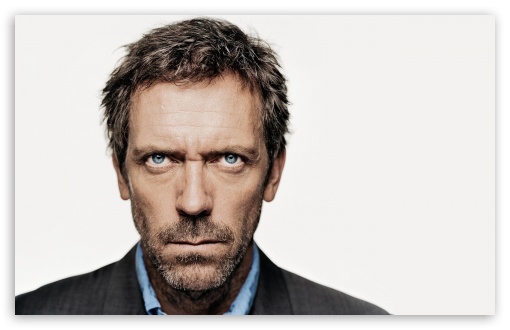
Every character needs complexity, including (especially) the villain. This is where Ben Linus comes in. I feel like both Michael Emerson and the writers handled the character brilliantly. They added layer upon layer, so we never quite knew where he stood or how we felt about him (Ok, I knew how I felt about him, but I'm weird). Perhaps not every character can be this ambiguous and disconcerting, but the villain certainly can. I enjoy stories much more when they are not straight black and white, because life is like that most of the time. At least people are. Snape, Javert and Gregory House are all characters that have this kind of complexity, never quite good, never quite bad, always entirely fascinating. Every character has good and bad in them, and emphasizing this in stories make them round and leaves us feeling like we know them even better then we know some of our own family.

Anyway, looks like I went on too long again after all, but I hope you'll forgive me. You guys are just so fun and rewarding to talk to :) And besides, its LOST. Even if you didn't watch the show I hope these are valuable lessons. I'd like to leave you with a video, of course, of probably my favorite scene of the entire show, in any season:


If you're me, you're shouting I'LL HAVE YOU, BEN, I WILL, I WILL!!

Sarah Allen

Tuesday, March 15, 2011

Characters: Self-Sacrifice and the Deeply Disturbed

Today I want to talk about two types of characters that never fail to affect me. When I meet them in a book or on screen, I think about them for days or years afterwards. They become prototypes for characters I try to create in my own writing.

The first is the self-sacrificing character. The ones who sacrifice something hugely important to themselves for the sake and love of someone else. Jean Valjean sacrifices his own safety to save Marius, which is actually a double sacrifice because keeping Marius alive means he is also giving up Cozette. Mr. Darcy sacrifices incredible amounts of time, effort and money to save Lydia for Elizabeth's sake. Niles Crane sacrifices seven seasons of happiness to keep Daphne comfortable and keep things on her time table. (Ok, this last one could maybe be considered a stretch, but Niles is one of the best characters ever and it works for me).


What are your favorite self-sacrificing characters and what do they sacrifice? Do you have real-life examples of self-sacrificing people that you know that could maybe be used as creative fodder? I actually have a directly creative reason for asking about this, because getting some self-sacrifice ideas would help me get over the last big plot hole of my current WIP. So ideas would be great :)

The second are the deeply disturbed characters who have a plethora of things wrong with them, nearly everything about them except for the love of someone else. I think I have less company in adoring these kinds of characters then I do with the self-sacrificing ones, because they often come off as mere creepers. But for some reason I think these characters are fascinating. Severus Snape is a rude, bitter dude, but when we find out about his love for Lilly our opinion of him changes. (Makes him one of the best HP characters, if you're me). Claude Frollo is a total nut job, including in his love for Esmerelda, but it is this love that makes him seem, at least to me, pitiable and human. Ben Linus is a psychotic, manipulative murderer, but he becomes much more complex, relatable, even admirable in his love for his adopted daughter Alex, his childhood crush, even in his admittedly creepy love for Juliette. Do you like these kinds of characters as much as I do? Who are some of your favorite?

These are some of the types of characters I adore reading and writing about. Do you have favorite character types? What makes them intriguing to you?

Anyway, happy writing!
Sarah Allen

Thursday, July 15, 2010

The 6 Types of Heroes

I've been talking literary theory with a friend of mine. I don't know about you guys, but for me seeing how other people categorize and analyze literature is helpful to me in my own writing. Part of what we've been discussing is the six types of heroes.

1-Traditional Hero. Saves himself and us. This is what we're thinking of with characters like Superman and Hercules.

2-Rogue Hero. Saves his own day, but not ours. Personally, I think these can be very interesting and intriguing.

3-Anti-Hero. Saves the day without trying. Again, I prefer these to traditional heroes. I think anti-heroes can be very sweet and sympathetic.

4-Comic Hero. Saves our day, but not his own, with comical consequences. I can see this one as a little harder to pull off.

5-Tragic Hero. Similar to Comic hero. Saves our day, but not his own, with tragic results.

6-No hero. A lot of modern literature has no hero. Think Catcher in the Rye. Its a lot more about people exploring themselves and their world, without someone necessarily trying or not trying to save anything.

Hope this helps!

Sarah Allen
Related Posts Plugin for WordPress, Blogger...