The latest installment from some of my favorite YouTube people ever. Just something hilarious to brighten your Sunday.
Happy writing!
Sarah Allen
Sunday, July 31, 2011
Friday, July 29, 2011
Best Summer Reading
Thursday, July 28, 2011
Stop Letting Negativity and Fear Hurt Your Writing: Guest post by Jessica Samuels
Jessica Samuels lives in Chesterfield with her family. She is a blogger, writer, reader, target shooter, and video gamer. She is currently in college and majoring in journalism and minoring in creative writing. She is currently working on two ebooks of poetry and short stories, editing her first YA paranormal romance novel Blood Fire & Moon Watch, and hopes to find a literary agent. You can find her on her blog and twitter page.Stop Letting Negativity and Fear Hurt Your Writing
I used to let things get to me easily thanks to being bullied in elementary, high school, and middle school. I used to spend days filled with hate, anger, and wanting revenge towards those who bullied me. The day I found writing is the day it all stopped being bad, and my perspective on life changed. I wasted my life some thinking about the bullies instead of finding ways to help people like me. Writing allows me to reach out to people like me, and show them that they should not waste time with childish people. Writing is a refuge I use to make things better, and it made me have the power to take things into my own hands. It allows me to create worlds where extraordinary things happen, and where fantastical creatures exist. It helped me get over the negativity of my past by allowing me to use writing as a therapy. I wrote down the negative situations, and changed them to a better outcome. I follow authors on twitter, and it amazes me how they cope with negativity. I hope to be like them someday.
Another situation dealing with fear: I used to let the fear of people judging my work get in the way when I first started. I was afraid they would not like it, and that they would say mean things about it. I dealt with that by getting together emails of those close to me, and sending it to them. It worked so much that the fear is gone some. I knew that the people there would not like my work totally, but I think in order to be a writer you have to get over it. You have to not let it get in the way of writing.
The root of fear and negativity is sometimes is success. The negative people who throw negativity at your work are probably jealous that they cannot make works of art like that. The reason that we fear might be because we focus on other peoples judgement so much it stops us from taking risks. Go after your dreams and try not to let fear and negativity get in the way. Believe me; if I can do it so can you.
Wednesday, July 27, 2011
3 Tips to Avoid Cliche
We all know cliche is our enemy. It dulls our voice and makes us seem amateurish. But what are the specific tools we can use to fight it? Here are three I've come up with:1-No Stealing. Never use a phrase or metaphor that you've seen or heard somewhere before. That keeps you from being genuine. Get at the heart of the metaphor and put it in a way that's truthful to you. Get specific. Details, details details, and ones from YOU and not anyone else.
2-Be Careful with "Dead" Words. Cliche goes beyond phrases and metaphors. There are single words that are used so often that they lose any real meaning. Words like smile, sigh, tear, laugh, beautiful. In fact, making a list is a good idea. These words aren't necessarily forbidden, they should just be used cautiously, and put in a context that will give back some real meaning to the word. What other "dead" words can you think of?
3-Be Observant. To really describe a faucet dripping, watch one drip. Other writers have their own way of describing a thing, but figure out your own way. See and smell and touch and hear for yourself, and pay attention. Then you have real life experience, and an understanding beyond the words someone else used to describe something.
What do you think? What else can we do to avoid cliche?
Sarah Allen
Tuesday, July 26, 2011
New Job Managing Social Media
Hope you guys don't mind if I talk a little business today, because I've got some cool news. In addition to the creative writing tutor job I posted about a while ago, I've been hired to do social media management for a company with an upcoming mobile app for Broadway lovers called Broadway Baby. I'll be managing their blog, updating once or twice a week with company news and feedback/interviews from customers and users. I'll also do daily updates on their Twitter account, manage their Facebook fan page, LinkedIn company profile, and launch their Google+ account when that becomes available. So basically what I've been doing for myself for years.I talk about social media here sometimes, because we all know that in today's publishing world we writers basically have to take care of the marketing and publicity ourselves. For businesses and writers, that mostly means social media. The days of sitting back and expecting your agent and publisher to take care of you are gone. It is my opinion that part of being a writer is learning everything you can about social media and teaching yourself how to use it to its fullest potential. You get out what you put in.
That's okay with me, actually, because I find social media fascinating. I absolutely adore the possibilities of interacting and communicating with other people, lots of other people, people all over the world, in as many ways as possible. I've come to realize lately though that this attitude isn't the norm, particularly with writers. Many of us are shy, intimidated by how huge social media has become and how crazy it is, and would just rather focus on the actual writing. I can understand all of that. But like I said, this whole big scary time-consuming social media monster has become an undeniable part of our job.
Basically, smart writers will address social media in one way or another, and huzzah hooray kaboom, I have time for one, maybe two more clients :) Since you're clearly spending at least some time reading blogs, that's probably a pretty good sign that you're doing a good job with the marketing/networking thing yourself. But if you're not, if you would like to turn this all over to someone else, or know someone (writer or businessy person) who would, don't hesitate to get in touch. Then we can get specific. I'm offering the same service: blog, Facebook, Twitter, LinkedIn and Google+ all taken care of. I've been doing all this for myself for a long time, like I said, so I have a pretty good idea what I'm doing.
One little note, before I'm through: I'm really not crazy, I promise, even if this sounds like it. I solemnly swear I am not biting off more than I can chew. For reals, though, this is me working out a schedule of exactly enough to keep me alive and writing. Off to the novel, and I hope you're all having a fantabulous summer!
Sarah Allen
Monday, July 25, 2011
Barbra Streisand vs. Sarah McLachlan: Writing in Belt and Falsetto
As writers, we hear a lot about voice. We're told to make our voice genuine and interesting and unique, and that a stand-out voice can make all the difference. I agree.
Voice is a dynamic thing, though, and I think we can develop and enrich our own voice by learning from all the different voices around us, as well as tapping in to the range we've all got within ourselves. Today I want to look at it in a sort of spectrum, the power belty side represented by the queen of belt, Barbra Streisand, and the piercing falsetto side represented by the beautiful Sarah McLachlan.
When you write with your belty voice you don't hold back. In my mind this end of the spectrum focuses on power and emphasis. Characters and stories are strong and blatant. I think J.K. Rowling is a good belty writer. Her characters are very well defined, you know what they're thinking and feeling, and the story is powerful and clear.
One word for good falsetto writing is haunting. It sticks with you long afterwards, even if you're not sure why. Sometimes its just a feeling that they get you. The writing is subtle, but still very clear. If belty writing is like a punch in the face, falsetto is like a knife in the heart. Wallace Stegner does falsetto incredibly well. The voices of his characters are piercing and clear, and his language sweeps you softly and quietly off your feet.
Here are two videos from Barbra and Sarah to help illustrate my point. Both are clips from movies, because that helps bring this back to telling stories, and I also happily just realized that they're about somewhat the same topic. In both cases the characters have just been, in some sense, dumped.
My Man: Barbra Streisand
When Somebody Loved Me: Sarah McLachlan
This is not to say writers are one way or the other, and in fact my real point here is to try and get ideas from you about getting the best of both. Each side has dangers: belty might get brash, melodramatic or impersonal, and falsetto might get dull, sentimental or bland. But if we can add subtlety to the strong and excitement to the soft then each is benefited, as well as our voice as a whole. So how do we do that?
I think the key is emotional honesty. That's what makes Barbra's belty so haunting and piercing, and Sarah's falsetto so relatable and attention grabbing. That's where you have to start, at least, but technique-wise, what specifically can we do to create that good mix? What gauges can you think of to make sure our belt isn't brash and our falsetto isn't dull? Do we just have to rely on other readers to tell us? Which voice do you use most, do you think, and how do you use it most effectively?
Does any of this make sense?
Sarah Allen
Voice is a dynamic thing, though, and I think we can develop and enrich our own voice by learning from all the different voices around us, as well as tapping in to the range we've all got within ourselves. Today I want to look at it in a sort of spectrum, the power belty side represented by the queen of belt, Barbra Streisand, and the piercing falsetto side represented by the beautiful Sarah McLachlan.
When you write with your belty voice you don't hold back. In my mind this end of the spectrum focuses on power and emphasis. Characters and stories are strong and blatant. I think J.K. Rowling is a good belty writer. Her characters are very well defined, you know what they're thinking and feeling, and the story is powerful and clear.
One word for good falsetto writing is haunting. It sticks with you long afterwards, even if you're not sure why. Sometimes its just a feeling that they get you. The writing is subtle, but still very clear. If belty writing is like a punch in the face, falsetto is like a knife in the heart. Wallace Stegner does falsetto incredibly well. The voices of his characters are piercing and clear, and his language sweeps you softly and quietly off your feet.
Here are two videos from Barbra and Sarah to help illustrate my point. Both are clips from movies, because that helps bring this back to telling stories, and I also happily just realized that they're about somewhat the same topic. In both cases the characters have just been, in some sense, dumped.
My Man: Barbra Streisand
When Somebody Loved Me: Sarah McLachlan
This is not to say writers are one way or the other, and in fact my real point here is to try and get ideas from you about getting the best of both. Each side has dangers: belty might get brash, melodramatic or impersonal, and falsetto might get dull, sentimental or bland. But if we can add subtlety to the strong and excitement to the soft then each is benefited, as well as our voice as a whole. So how do we do that?
I think the key is emotional honesty. That's what makes Barbra's belty so haunting and piercing, and Sarah's falsetto so relatable and attention grabbing. That's where you have to start, at least, but technique-wise, what specifically can we do to create that good mix? What gauges can you think of to make sure our belt isn't brash and our falsetto isn't dull? Do we just have to rely on other readers to tell us? Which voice do you use most, do you think, and how do you use it most effectively?
Does any of this make sense?
Sarah Allen
Saturday, July 23, 2011
Freaking James Franco

Academy Award nominated, two-time host of Saturday Night Live, got his MFA in creative writing from Columbia University while also studying theater at NYU, published in Esquire and McSweeney's and in his own collection of short stories, not to mention he's a sexy devil.
My future 33 year old self is looking supremely un-cool.
Sarah Allen
Friday, July 22, 2011
Naked With My Editor: Guest post by Laura Grace Weldon
Laura Grace Weldon lives on Bit of Earth Farm with her family. She's a writer, book editor, non-violence educator, and barely useful farm wench. She's the author of Free Range Learning and has a collection of poetry coming out next year. Connect with her at her blog.***
Naked With My Editor
I’m not well-behaved or well-dressed enough for most careers. That may be what led me to cobble together enough freelance gigs to call myself a writer. It doesn’t pay quickly or pay well. In fact, I earn less than in my former occupation, social work, and that’s saying something. But freelancing suits me.
Well, except for that episode of nudity with my editor.
Perhaps I should explain.
Years ago I secured a job writing a column for a newspaper. I worked after the kids were in bed and I e-mailed the first piece just before the midnight deadline.
The next morning was typical. I unloaded the dishwasher, explained long division, defended my right to listen to a CD of Tibetan throat singing, feigned patience while listening to a child’s original knock knock jokes, discussed the ethics of phone screening with my eight-year-old (who considered it a politeness violation to let it ring) and took photographs of my daughter dissecting a sheep eyeball for a biology project.
It was mid-morning before I had time to shower. Because I’m efficient (lazy) I wear whatever comes out of the dryer. It spares me the effort of putting away my own laundry. I don’t mind monotonous outfits in the service of convenience.
When I got out of the shower I grabbed a towel for my usual mad dash to the dryer and on the way was handed the phone by the eight-year-old. It was the newspaper editor. He wanted me to add a few sentences to my column. He expected me to do this off the top of my head, over the phone, immediately.
While he was telling me this I realized my 11-year-old son had opened the front door, inviting in his pubescent pals. They were chatting eagerly as they headed toward me on their way to the kitchen. There was no way I could get to our dryer, handily located on the first floor, unless I ran directly into these youths and knocked them over like baggy-pants’d bowling pins. I didn’t want to expose these poor youngsters to my not-supermodel flesh at their impressionable ages so I took the kindest course of action possible. I retreated down the basement steps, towel clutched in one hand and phone in the other.
Although I had no chance of sounding professional on the phone, I went on talking to my editor, giving him the lines he needed. He asked if he could edit them to fit. ”Sure,” I told him. He’s a writer too, I thought, it’ll be fine. He chatted away as if we were old friends—-he surely sitting in a comfortable chair at his desk, me a semi-naked freelancer huddled in the basement.
I stayed trapped in that basement long enough to meditate on the beauty of cobwebs and the interconnection of all life. Long enough to get really cold in my small wet towel.
When my column was published, I saw that my editor had rearranged my few sentences into a nonsensical word soup. It took a lot of self control to keep myself from going into a sheep eyeball tossing snit. But just then my check arrived in the mail. It was larger than I’d expected. I felt like dancing right out the door to celebrate, but I couldn’t. That’s because I’m a freelance writer and of course, I wasn’t dressed yet.
Thursday, July 21, 2011
Writing When Words Aren't Enough
Or at least when they don't feel like enough. Sometimes there are things I just don't know how one could adequately capture in words, and maybe it just isn't possible. But I don't want to leave it at that. I really do think words have the power to be the most powerful and most lasting medium, and I want to take them absolutely as far as they can go. If that means looking at what other mediums have to offer, then by all means I say let's look.
I don't know how many of you watch So You Think You Can Dance, but although I've been thinking about this subject for a long time, years even, it's this show that's finally made up my mind to write about it. See, to me dance is one of those things where it seems like words aren't enough. I live for those moments of being blown away, and every once in a while this show will do that. Especially choreographers like Mia Michaels or Travis Wall, who create the most incredible characters and stories. But like I said, I don't want to leave it there. It may seem like we can't do in words what they do in dance, but how true is that? Last night Twitch and Sasha gave one of the greatest SYTYCD performances of all time, and let's take their dance as an example. How would you tell this story in words?
Does anyone have the guts to try? I would love to see what you come up with. But really though, how would you put this scene into words? How can you really capture the pulse of movement when she slaps the table in the beginning? Or the jaw-droppingness when she flips up into the back bend and he pushes her the rest of the way? Or the way he touches her face when he carries her off at the end?
The basic truth here, though, plain and simple, is that we're dealing with two different mediums, and that one medium does one thing and the other does something else. They each have pros and cons. Yes, dance is more visceral, but writing could give these two characters back story and depth and complexity. But how can we take the best of dance and use it in writing? Is language itself raw and visceral enough? How do we take the rhythm and musicality and athleticism and passion of this dance and transfer it to the medium of words? I don't think its possible to successfully transfer from one medium to any other 100%, but still. How do we try?
What do you think?
Sarah Allen
I don't know how many of you watch So You Think You Can Dance, but although I've been thinking about this subject for a long time, years even, it's this show that's finally made up my mind to write about it. See, to me dance is one of those things where it seems like words aren't enough. I live for those moments of being blown away, and every once in a while this show will do that. Especially choreographers like Mia Michaels or Travis Wall, who create the most incredible characters and stories. But like I said, I don't want to leave it there. It may seem like we can't do in words what they do in dance, but how true is that? Last night Twitch and Sasha gave one of the greatest SYTYCD performances of all time, and let's take their dance as an example. How would you tell this story in words?
Does anyone have the guts to try? I would love to see what you come up with. But really though, how would you put this scene into words? How can you really capture the pulse of movement when she slaps the table in the beginning? Or the jaw-droppingness when she flips up into the back bend and he pushes her the rest of the way? Or the way he touches her face when he carries her off at the end?
The basic truth here, though, plain and simple, is that we're dealing with two different mediums, and that one medium does one thing and the other does something else. They each have pros and cons. Yes, dance is more visceral, but writing could give these two characters back story and depth and complexity. But how can we take the best of dance and use it in writing? Is language itself raw and visceral enough? How do we take the rhythm and musicality and athleticism and passion of this dance and transfer it to the medium of words? I don't think its possible to successfully transfer from one medium to any other 100%, but still. How do we try?
What do you think?
Sarah Allen
Wednesday, July 20, 2011
Call for Guest Posts and a Topic Poll

Ok guys. It's time to hear from you.
First, I'm sending out a call for guest posts. No catch, just send your submissions to sarah.n.dipity123[at]gmail[dot]com and if I like it I'll use it (coordinating with the author beforehand and giving full credit, of course). I would love to hear from as many of you as possible. Tell everyone, open to anyone. I'm not putting any cap and the schedule can fit all y'all. Everybody has something valuable to say. Yes, I'm talking to YOU. The post can be a new one, or something you've posted previously on your own blog is fine too. Obviously keep it somewhat writing related, but I'm anxious to see what you have to say. So send my way.
Also, I want to know what you want to know. What topics are relevant and interesting to you? Craft? Interviews? Marketing? Which posts have been the most successful in your opinion? Please, please don't be shy. Give me your list of topics you want to read about here.
Ready? Go.
Sarah Allen
Tuesday, July 19, 2011
Awesome New Trick for Titles
I got this idea from my brother, and I think its awesome. He was using it to design album covers, but it totally works for book titles too.
First trick is to go to to the main page of Wikipedia and click "Random Article" in the top of the left sidebar. Then keep clicking random and see what comes up. Here are 5 title examples I've got from Wikipedia:
-Marqu
-Pas de Deux
-Sotos Point
-Crow-stepped (from crow-stepped gable)
-Castalius
The other cool trick is to use the random quotes page from QuotationsPage.com. What my brother does is use the last few words of the last quote on the page. Here are some examples:
-Whistle for Him
-A Bushel of Brains
-Room Temperature
-Devourer of All Things
-Hanged to a Lampost
Just keep refreshing and you get lots of cool things.
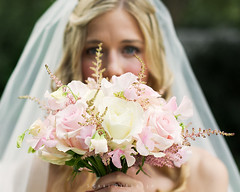
One last thing. To expand and further develop your title ideas, check out the 'Last 7 Days' page on Flickr, and then imagine the top right corner photo as your book cover. That way it gives you even more to work with, and helps you get more ideas. For example, lets take the title 'Devourer of All Things'. Pretty interesting title that calls to mind a lot of ideas. But let's put it with the top right corner picture from Flickr, which for me right now, is this:

The picture adds to the already interesting title. This picture gives us a character (nervous looking bride) and a situation (a wedding). So who's the "devourer"? The bride? The groom? A jealous rival?
Just a great way to get ideas flowing, and I thought I'd share. What do you think?
Sarah Allen
First trick is to go to to the main page of Wikipedia and click "Random Article" in the top of the left sidebar. Then keep clicking random and see what comes up. Here are 5 title examples I've got from Wikipedia:
-Marqu
-Pas de Deux
-Sotos Point
-Crow-stepped (from crow-stepped gable)
-Castalius
The other cool trick is to use the random quotes page from QuotationsPage.com. What my brother does is use the last few words of the last quote on the page. Here are some examples:
-Whistle for Him
-A Bushel of Brains
-Room Temperature
-Devourer of All Things
-Hanged to a Lampost
Just keep refreshing and you get lots of cool things.
One last thing. To expand and further develop your title ideas, check out the 'Last 7 Days' page on Flickr, and then imagine the top right corner photo as your book cover. That way it gives you even more to work with, and helps you get more ideas. For example, lets take the title 'Devourer of All Things'. Pretty interesting title that calls to mind a lot of ideas. But let's put it with the top right corner picture from Flickr, which for me right now, is this:

The picture adds to the already interesting title. This picture gives us a character (nervous looking bride) and a situation (a wedding). So who's the "devourer"? The bride? The groom? A jealous rival?
Just a great way to get ideas flowing, and I thought I'd share. What do you think?
Sarah Allen
Monday, July 18, 2011
Being Patient With Yourself is Hard

I don't know about you, but as much as I love my WIP, I'm ready for it to be done. It feels like I've been working on it for a long time, which I have, and I still have more than half to go. It's still coming, better than I thought it would be at this point, actually, and it still excites me. But part of me feels almost upset with the rest of me that I have yet to complete a novel. Granted I am only 22, which I keep being reminded isn't that old, but it will still feel so utterly fantastic to be done.
But the key is to just keep writing, right? And as impatient as I am, I love what I'm doing. I love the writing process, and I'll be excited to go back and start editing. I love the marketing and networking that is becoming more and more a part of being a writer. I love reading and learning and observing, and writing everything down in the notebook I always have in my purse. It's fulfilling and fun. Still. Having a finished novel will make me feel like all of it is beginning to pay off.
Do you ever feel impatient with yourself and your projects? I'm sure I'm not the only one. I think the hard thing is wanting leaps and bounds of progress, when those leaps and bounds come from the work and little bits of progress that happen every day. Just remembering that, reminding myself that every word counts, helps. What do you do to help yourself be patient with the day to day growth?
Sarah Allen
Sunday, July 17, 2011
Things That Make Me Happy (July 17)

Haven't done one of these in a while, so here goes:
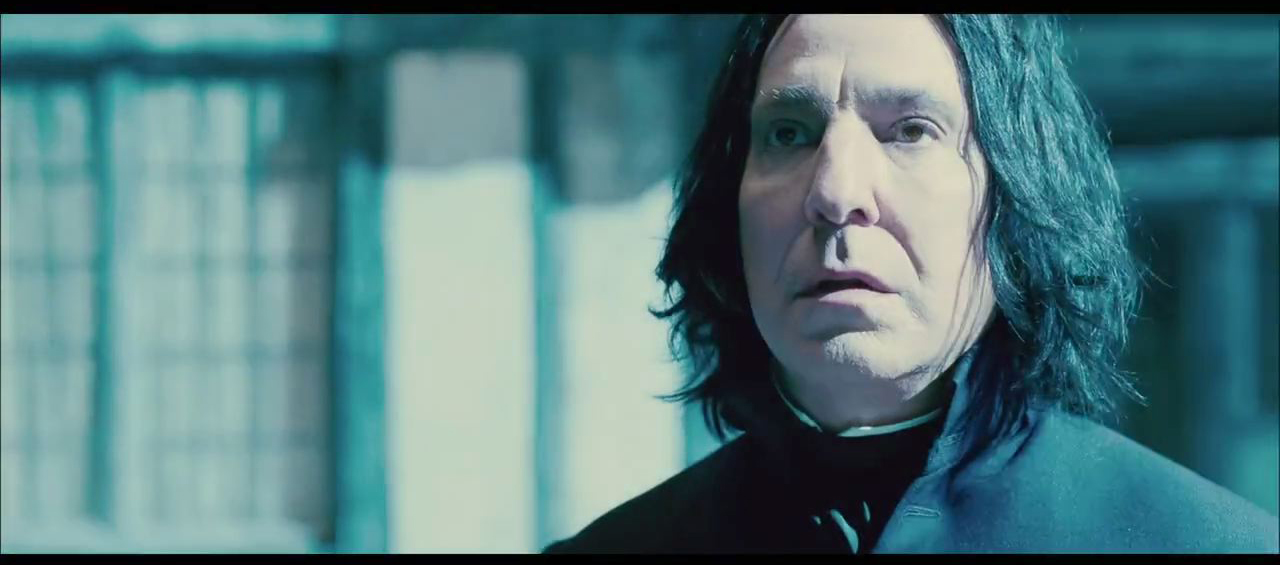
Harry Potter. Of course, that's a very obvious one. I was actually going to do a bit more of an extensive review of Deathly Hallows part II, but I decided against it because a) I decided to be nice to those of you relatively less-crazies who haven't seen it twice already, or maybe (gasp) not even at all and not give away any spoilers, and b) My thoughts are pretty much just what they were before, meaning OMG ALAN RICKMAN I LOVE YOU SOMEONE GIVE HIM AN OSCAR AND THEN GIVE ALAN/SNAPE TO ME I WANT HIM AND I WANT HIM RIGHT NOW. *Ahem*. Sorry. I know, I know, trust me, I've heard the words "calm down" quite a bit in the past few days.
Speaking of freaking out there was a trailer for the new show Person of Interest. Staring Michael Emerson. Nuff said.
Google+. I know I'm a social networking freak, but I'm really liking Google+. It kind of combines the best of Facebook and Twitter and Tumblr into one thing, which is pretty darn awesome. I honestly think its easier to form legitimate connections with other writers here than it is on any of the other sites.
Skin, another song (this time a ballad) by Sixx:A.M. Completely gorgeous. I really like this band right now. Am I weird? Oh wait.
My new teaching job. Abso-freakin-lutely.
Flip-flops, but also the fact that summer is almost half-over. Heat=bleh.
You guys. I know I say this every time, but I really mean it. You guys let me be a dork and crazy weird and let me be bad at commenting back (though I read and appreciate and love EVERY comment, believe me. I'll try and do better at the responding thing) and are still awesome and kind and supportive. You guys rock.
Chocolate covered raisins. Mechanical pencils. Niles Crane.
What about you? What's making you happy today?
Sarah Allen
Friday, July 15, 2011
Thursday, July 14, 2011
Harry Potter Countdown...2: Writing Lessons from the 4 Hogwarts Houses
It is a question fans have been asking since the books were first published; would I be Gryffindor, Ravenclaw, Hufflepuff, or Slytherin? Well, that's a hard question to answer, but I thought today we could look a little bit at what writers can learn from the typical traits of each house.
Gryffindor
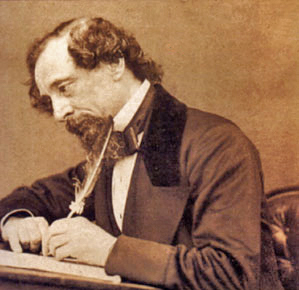
The Gryffindor writers love telling stories. They write action well, and write fast. They are brave writers, writing what they like and not worrying too much about so called "rules." They have a healthy confidence in their writing ability and don't weary easily. They have a natural and unintentional knack for writing towards what become trends. Typical genres might be thriller, action or romance. Gryffindor writers should watch out for slipping into sloppiness. They should remember that its okay to slow down, and take time to learn how to improve.
Possible example: Charles Dickens

Ravenclaw
A Ravenclaw writer is a beautiful writer. They take pains to make sure their language is exquisite, and in most cases it pays off. When they brake rules, they do so only because they know how to do it effectively. They are the most careful writers, and therefore often the slowest. But because they are so careful in their writing, a lot of wisdom and experience is distilled into every word. Typical Ravenclaw genres might be literary fiction and regular form poetry. They should beware of aloofness and appearing haughty. They should remember that the mass is who supports their career, and putting time and effort into networking and communicating with readers can pay off.
Possible example: Cormac McCarthy

Hufflepuff
Hufflepuff's are kind writers. The joy they find in writing comes from being able to use words to really connect with and understand other people and human nature in general. They are fiercely loyal to their fans, and most times that loyalty is returned. They like networking, and are particularly supportive of other writers. They may not write as quickly as a Gryffindor, but they are consistent. Typical genres might include adult mainstream, YA and free-form poetry. Hufflepuff's should beware of hinging their confidence too much on what someone may or may not have said in some online forum somewhere, and keep their personal reasons for writing strong and at the forefront.
Possible example: John Green

Slytherin
It goes without saying that Slytherin writers are ambitious. They enjoy the sway and influence that comes with being a well-known author. They work hard, and teach themselves whatever they can about craft and marketing. Like Ravenclaw's, they know all the rules and break them when it suits. They often have a tight-knit group of writers around them, who stick together and support each other. Typical Slytherin genres might be sci-fi or screenplay. They should beware of becoming too cliquey, and letting ambition get in the way of the simple joy of writing.
Possible example: Orson Scott Card

Obviously these are generalities, and no writer fits exactly in one category. But I think its fun to look at what each Hogwarts house might be like as a writer, and what lessons we can learn, both good and bad, from each.
What do you think? Which are you? Can you think of any other examples?
Sarah Allen
Gryffindor
The Gryffindor writers love telling stories. They write action well, and write fast. They are brave writers, writing what they like and not worrying too much about so called "rules." They have a healthy confidence in their writing ability and don't weary easily. They have a natural and unintentional knack for writing towards what become trends. Typical genres might be thriller, action or romance. Gryffindor writers should watch out for slipping into sloppiness. They should remember that its okay to slow down, and take time to learn how to improve.
Possible example: Charles Dickens

Ravenclaw
A Ravenclaw writer is a beautiful writer. They take pains to make sure their language is exquisite, and in most cases it pays off. When they brake rules, they do so only because they know how to do it effectively. They are the most careful writers, and therefore often the slowest. But because they are so careful in their writing, a lot of wisdom and experience is distilled into every word. Typical Ravenclaw genres might be literary fiction and regular form poetry. They should beware of aloofness and appearing haughty. They should remember that the mass is who supports their career, and putting time and effort into networking and communicating with readers can pay off.
Possible example: Cormac McCarthy

Hufflepuff
Hufflepuff's are kind writers. The joy they find in writing comes from being able to use words to really connect with and understand other people and human nature in general. They are fiercely loyal to their fans, and most times that loyalty is returned. They like networking, and are particularly supportive of other writers. They may not write as quickly as a Gryffindor, but they are consistent. Typical genres might include adult mainstream, YA and free-form poetry. Hufflepuff's should beware of hinging their confidence too much on what someone may or may not have said in some online forum somewhere, and keep their personal reasons for writing strong and at the forefront.
Possible example: John Green

Slytherin
It goes without saying that Slytherin writers are ambitious. They enjoy the sway and influence that comes with being a well-known author. They work hard, and teach themselves whatever they can about craft and marketing. Like Ravenclaw's, they know all the rules and break them when it suits. They often have a tight-knit group of writers around them, who stick together and support each other. Typical Slytherin genres might be sci-fi or screenplay. They should beware of becoming too cliquey, and letting ambition get in the way of the simple joy of writing.
Possible example: Orson Scott Card

Obviously these are generalities, and no writer fits exactly in one category. But I think its fun to look at what each Hogwarts house might be like as a writer, and what lessons we can learn, both good and bad, from each.
What do you think? Which are you? Can you think of any other examples?
Sarah Allen
Wednesday, July 13, 2011
Harry Potter Countdown...3: Favorite and least favorite Harry Potter characters
In honor of Harry Potter and the Deathly Hallows, part II which comes out on Friday, (I will be at the midnight showing. Of course.) I would like to do a sort of Harry Potter countdown. It is undeniable that this movie brings to pass the end of an era. Without Pottermore coming out in October, it might feel more like the end of the world instead of just the end of an era, but as it is, I don't feel that this event can pass without making a big deal of it here.
So then, here's the schedule for the next 3 days.
#3(Today): Favorite and least favorite Harry Potter characters.
#2(Tomorrow): Writing lessons from the 4 Hogwarts houses.
#1(Friday): Review of Harry Potter & the Deathly Hallows, Part II.
Sound good? Good.
So. Favorite and least favorite Harry Potter characters. Anyone who has read this blog for any length of time will be extremely unsurprised at my favorite:

Severus Snape, of course! Why? I've said this before but I'll say it again. Snape is complex, layered, and human. He's a very interesting iceberg character, where the viewable tip is rude, unappealing and even, we think, treacherous. Then as time and pages go by, we see more and more of the iceberg, and see that he really isn't treacherous, and is in fact extremely loyal, intelligent, misunderstood, mistreated, and brave. We admire him for that loyalty and bravery, and feel sorry for the misunderstood, beaten little boy he is inside, who just wants to be accepted. That is something we can all relate to, and so he becomes a relatable character too. In my own writing, my goal with characters is to write them as complex and sympathetic as Rowling wrote Snape.
And now, least favorite:
Ok, so maybe saying Harry Potter is my least favorite character in Harry Potter isn't really allowed, and I'm not trying to say I don't like Harry, but let me explain. Of course there are HP characters that I would like much, much less as actual people. Umbridge for instance. Or, you know, Voldemort. Even Snape would probably be a less pleasant friend to have than Harry. But I'm talking character. Of course we all hate Umbridge and Voldemort, but its in a love-to-hate kind of way, isn't it? They're fantastic characters to read. Whereas with Harry, we're supposed to love him the whole way through, and we do, but at least for me, there are moments every once in a while (like book 5) where I feel like he gets annoying, preoccupied and kind of angsty. Almost, dare I say, flat as a character. Really, he isn't a flat character, my point is that all the characters around him are just more...interesting. Complex. Of course you may not agree, but I read Harry Potter more for Dumbledore and Hagrid and Lupin and Ron/Hermione (and of course Snape) then I do for Harry himself. The thing is, it totally works that way. It works for Harry to act as a sort of nucleus that the rest of the characters revolve around. It keeps the story going and cohesive. Those are my thoughts and opinions, anyway.
Now its your turn. Favorite? Least favorite? Why?
Sarah Allen
So then, here's the schedule for the next 3 days.
#3(Today): Favorite and least favorite Harry Potter characters.
#2(Tomorrow): Writing lessons from the 4 Hogwarts houses.
#1(Friday): Review of Harry Potter & the Deathly Hallows, Part II.
Sound good? Good.
So. Favorite and least favorite Harry Potter characters. Anyone who has read this blog for any length of time will be extremely unsurprised at my favorite:

Severus Snape, of course! Why? I've said this before but I'll say it again. Snape is complex, layered, and human. He's a very interesting iceberg character, where the viewable tip is rude, unappealing and even, we think, treacherous. Then as time and pages go by, we see more and more of the iceberg, and see that he really isn't treacherous, and is in fact extremely loyal, intelligent, misunderstood, mistreated, and brave. We admire him for that loyalty and bravery, and feel sorry for the misunderstood, beaten little boy he is inside, who just wants to be accepted. That is something we can all relate to, and so he becomes a relatable character too. In my own writing, my goal with characters is to write them as complex and sympathetic as Rowling wrote Snape.
And now, least favorite:

Ok, so maybe saying Harry Potter is my least favorite character in Harry Potter isn't really allowed, and I'm not trying to say I don't like Harry, but let me explain. Of course there are HP characters that I would like much, much less as actual people. Umbridge for instance. Or, you know, Voldemort. Even Snape would probably be a less pleasant friend to have than Harry. But I'm talking character. Of course we all hate Umbridge and Voldemort, but its in a love-to-hate kind of way, isn't it? They're fantastic characters to read. Whereas with Harry, we're supposed to love him the whole way through, and we do, but at least for me, there are moments every once in a while (like book 5) where I feel like he gets annoying, preoccupied and kind of angsty. Almost, dare I say, flat as a character. Really, he isn't a flat character, my point is that all the characters around him are just more...interesting. Complex. Of course you may not agree, but I read Harry Potter more for Dumbledore and Hagrid and Lupin and Ron/Hermione (and of course Snape) then I do for Harry himself. The thing is, it totally works that way. It works for Harry to act as a sort of nucleus that the rest of the characters revolve around. It keeps the story going and cohesive. Those are my thoughts and opinions, anyway.
Now its your turn. Favorite? Least favorite? Why?
Sarah Allen
Tuesday, July 12, 2011
Breaking News: I'm going to be a teacher!

So, some of you might have heard me complain a little bit lately about my life being unstable. Basically, I graduated from college with certain expectations and a certain plan in mind. Those plans kind of got smitherined, and I've been trying to regroup ever since. Part of that regrouping has been finding work. Mostly that means a job at a local charter high school. I've been talking with People, and its finally all gone through. If you looked up perfect job in the dictionary, there would be a picture of this job.
I'm not going to be full-time or anything like that. Which is totally fine. I'm good starting small. What I'll be doing is team-teaching a creative writing class and doing after school creative writing tutoring. Then maybe subbing for other classes too, as needed. Great way to start, and saying that this charter school is fantastic is sort of a ridiculous understatement.
Jobs have never been an exciting thing to me before. They've basically just been a means to an end, end meaning writing and also being able to buy groceries. But this job has got me completely stoked. It seems like it will be incredibly fulfilling and wonderful. Not always easy, maybe, but wonderful. And despite what I've heard to the contrary, the more I think about it, the more I think this job and writing will be mutually beneficial. Very much so. Words and creative juices will be flowing through my brain, which will keep me fresh for writing, and what I learn doing that writing, I can pass on in the classroom. I'm also excited and relieved to have a job where I will be interacting with people. To me that's an essential balancer for the sometime loneliness of writing.
You teachers out there, and you with classroom experience (meaning anyone who has ever stepped foot in a classroom)...this is not the time to be shy with ideas or advice. What works? What doesn't? I want to hear everything you can think to tell me.
So, basically, my life is stabilizing in what looks like is gonna be a very, very positive way. Getting into more of a schedule will be so nice, both for my sanity and my writing. It's also nice to have things settle in what could very easily be a long-term trajectory, if that makes sense. Details still need to be worked out, but I'm definitely happy dancing here. Let's keep things going the way they're going, okay life?
Sarah Allen
p.s. Check out the latest installment of Dear Muse, this time featuring awesomeness from So You Think You Can Dance, a sketch from my sister of Jimmer Fredette, and a story idea about a gremlin named Kismet.
Monday, July 11, 2011
Why You Should Not Be Afraid to Submit

All of us have the Big Project we're working on, a novel that we expect to have to submit to someone at some point. An agent or editor, or maybe even just readers. I want to talk about smaller stuff today.
Those poems and short stories you wrote in college or in between novels. That are sitting in a file on your computer, waiting to see the light of day. The more writer type people I talk to, the more surprised I am at how few of them submit those poems and stories. I always kind of assumed that submitting was just what you did after you finished a piece, but it doesn't seem like everyone thinks that way.
Am I wrong? Maybe so, but still, there are for sure very talented writers not sending out their littler children into the world, for one reason or another. I'm not saying that you should send out everything you've ever written, but I definitely think its worth taking out some of those pieces, polishing them up, and sending them out.
Why not? Chances are you'll get rejected, but so what? Dory gives us a good mantra for the submission process..."just keep submitting, just keep submitting." Lit magazine rejection has absolutely no bearing on your self-worth or even your true talent as a writer, even though it can feel like it does. But seriously, what better way to get your work read? Isn't that the point? Maybe you do have reasons for not submitting, but please, don't let that reason be fear. Or laziness. Poetry and the short story are fantastic, beautiful forms to work in. Then submit, like you would a novel. I mean really...why not?
Next question, where to submit? Obviously that depends on the piece, but I can try and help you out here. I use Duotrope and New Pages, both directories of literary magazines, and they both do a great job of helping you find the right magazine to submit to.
What are your thoughts? Do you agree that submitting is just a natural part of the process? Do you have a system for submitting your work?
Sarah Allen
Saturday, July 9, 2011
Six Word Saturday

I did this a while ago and got some great stuff from all y'all, so I thought I'd give it another round.
Here is Hemingway's again, for good example purposes:
Here's my attempt for today:
(You know the sad thing? This isn't the first story I've written featuring Blitzen) :)
Now its your turn again. What can you give me in six words?
Sarah Allen
Friday, July 8, 2011
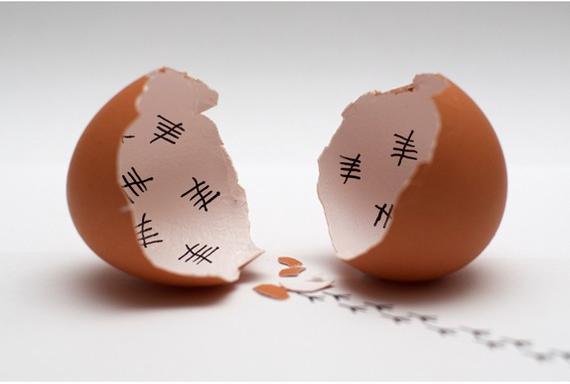
Writing and Dreams: what's your craziest one?

We've all heard the story from Stephanie Meyer: 'I had a dream about a girl in a field with a sparkly boy who loved her but also wanted to kill her so I wrote it down and the next thing I knew I was a famous millionaire best selling writer with a movie contract and a mob of thirteen year old girls at my feet.'
What are your thoughts on that? Ok, so I'm being a bit facetious, but I mean about the whole dream to novel thing? Has something like that ever happened for you, if on a smaller scale?
I can't say I've ever written a story based on a dream I've had. I wish I was better at remembering my dreams. I dream a lot, but remember it for only a few seconds in the morning unless I remember to write it down, which I'm usually too tired to do. Then every once in a while I'll have stunningly vivid dreams that I can't shake off for the whole next day. Sorry, rambling a bit, but I find dreams fascinating. What kind of dreamer are you?
Here's what I find writerly valuable about dreams--I've never actually been sliced in half in a school gym by a sword-fighting wolf; or driven through the Grand Canyon in a covered wagon being pulled by a pig; or been jumped in a dark alley by a group of scruffy, creepy men (yeah, that one was petrifying and horrifically real)--But, because of dreams, I have a better understanding of terror, the bizarre, and what it would be like to have my family turn into zombies. Dreams expand our emotional experience in a very real way, and that definitely translates into our writing.
What do you think about dreams and writing? And I'm very curious--what is the most bizarre, terrifying, or memorable dream you've ever had?
Sarah Allen
Thursday, July 7, 2011
New Things
Short on time today, but there are a few new things I want to show you:
First, I hope you like the new design :) Why blue roses, you ask? The answer is in 'The Glass Menagerie' by Tennessee Williams.
Relatively recent music finds that I totally love: Turning Tables by Adele, and Lies of the Beautiful People by Sixx:AM.
New Tumblr blog: I've decided to go with my gut feeling and start up a Tumblr blog. Things here are gonna continue the same as always, but the point of the Tumblr blog is more to geek out about the new cool stuff I find all over the internet and kind of collect it there as a pool of awesome stuff for creative inspiration. So like, lots of indie artwork, cool photos, YouTube videos, poetry, music, that kind of stuff. That way I can spread all the awesome and not overload it here :) If that sounds interesting, head on over to An Inkling.
Also, most importantly, there are some new words in the word count. It's coming along, and I'm getting into more of a rhythm. Still in the settling process, but it's coming.
Happy writing to you all!
Sarah Allen
First, I hope you like the new design :) Why blue roses, you ask? The answer is in 'The Glass Menagerie' by Tennessee Williams.
Relatively recent music finds that I totally love: Turning Tables by Adele, and Lies of the Beautiful People by Sixx:AM.
New Tumblr blog: I've decided to go with my gut feeling and start up a Tumblr blog. Things here are gonna continue the same as always, but the point of the Tumblr blog is more to geek out about the new cool stuff I find all over the internet and kind of collect it there as a pool of awesome stuff for creative inspiration. So like, lots of indie artwork, cool photos, YouTube videos, poetry, music, that kind of stuff. That way I can spread all the awesome and not overload it here :) If that sounds interesting, head on over to An Inkling.
Also, most importantly, there are some new words in the word count. It's coming along, and I'm getting into more of a rhythm. Still in the settling process, but it's coming.
Happy writing to you all!
Sarah Allen
Wednesday, July 6, 2011
A Poem a Day Keeps the Cliche Away

I don't know about you, but after a while of working on a piece, I start worrying that I'm becoming less and less original, and that I'm reverting to rote phrases and falling back on things I've heard people say before. I try to avoid it as much as possible, but sometimes it can be hard. Sometimes it takes more than prose to get true honesty and true beauty into your language, and that's where poetry comes in.
All good writing is poetic, in my opinion. I've decided to try and get in the habit of reading a bit of poetry every night, just a poem or two, maybe even trying to memorize the really good ones, and my hope is that doing this will get my language of out the rut of cliche, and imbue it with the spark and life that I sort of feel it missing.
Do any of you do this, and has it worked? Any recommendations for me?
The two collections I really like are the Poetry 180 books edited by Billy Collins, and the Good Poems series edited by Garrison Keilor. I know some people don't have the highest opinion of these ones, but I absolutely love them, and think they're easy to get into and fantastic poetry collections to start out with.
And with that, I'll leave you with two of my favorite poems of all time. One older, one newer, and both coincidentally about God. Not particularly trying to be religious with this post, but I LOVE how differently each poet approaches the same topic, and how successful they both are in completely different ways.
***
Pied Beauty, by Gerard Manley Hopkins
Glory be to God for dappled things –
For skies of couple-colour as a brinded cow;
For rose-moles all in stipple upon trout that swim;
Fresh-firecoal chestnut-falls; finches’ wings;
Landscape plotted and pieced – fold, fallow, and plough;
And áll trádes, their gear and tackle and trim.
All things counter, original, spare, strange;
Whatever is fickle, freckled (who knows how?)
With swift, slow; sweet, sour; adazzle, dim;
He fathers-forth whose beauty is past change:
Praise him.
***
God Got a Dog, by Cynthia Rylant
He never meant to.
He liked dogs, He'd
liked them ever since He was a kid,
but He didn't think
He had time for a dog now.
He was always working
and dogs needed so
much attention.
God didn't know if He
could take being needed
by one more thing.
But He saw this dog
out by the tracks
and it was hungry
and cold
and lonely
and God realized
He'd made that dog
somehow,
somehow He was responsible
though He knew logically
that He had only set the
world on its course.
He couldn't be blamed
for everything
But He saw this dog
and He felt bad
so He took it on home
and named it Ernie
and now God
has somebody
keeping His feet warm at night.
***
Ah, aren't those so great? (I hope I don't get in trouble for that second one, copyright issues and what-not, but I my intentions towards Ms. Rylant's work are completely honorable, and besides, I couldn't help myself. I think you should all go buy her God Went To Beauty School collection right now). Anyway, are you guys big poetry readers? Do you agree that reading it can be a huge help in our own work?
Sarah Allen
Tuesday, July 5, 2011
Learning about writing from everyone around you

I firmly believe that you can learn from everyone you come in contact with. Whether they are writers themselves or not, by really getting to know them you can expand your knowledge of human nature, which helps in all aspects of writing.
On that note, I have writing questions for you. You don't even have to answer every question, but (as many of you are probably aware) my life has been pretty unstable lately. Good, but unstable, and I'm trying to do everything I can to learn and resettle things. So basically, I could really use any advice or ideas you've got:
-Plotter or pantser? And how do you specifically go about doing your plotting/pantsing?
-What is your writing schedule like? Morning? Evening? 3:47-5:02 AM?
-Do you listen to music when you write? If yes, what music?
-Do you have a daily/weekly word count goal, and what is it?
-What character types are your favorite?
-Is it worth starting a Tumblr blog in addition to this blogger one? I'm leaning towards yes?
-When is the right time to start a Facebook fan page?
-What are your favorite ways to get out and meet people? Network with people online?
-Do you have any specific topics you want addressed on this blog, or blog suggestions in general?
Those are my questions for right now. I'm sorry I've been asking so many questions of you guys lately, and some of the same questions a lot too, but I really appreciate your support and ideas and it helps more than you know. Even just knowing people are out there sympathizing and dealing with the same things I'm dealing with helps too. And see, as I settle and learn, I'll be able to give back more and more, so it all comes back around to you, right? :)
Happy writing!
Sarah Allen
Monday, July 4, 2011
4 for the Fourth, part II: Whats Your Top 4?

First of all, of course I want to wish a wonderful and joy filled Independence Day to all of you in the States. You know, with all the complaining we do, we really do live in a fantastic country. We have such incredible blessings here, not to mention freedom, and we definitely take a lot of it for granted. So I'd like to start off with my political view in a nutshell:
"Ask not what your country can do for you - ask what you can do for your country."
We could all do with a little more that and a little less gimme, I think.
So anyway, for the sake of getting to know you all a bit better, and for getting recommendations, I've got 4 Top 4 questions for you today. Some of them are hard/impossible, but I'd love for you to try :)
Top 4 American Writers:
-Wallace Stegner
-Connie Willis
-Norman Maclean
-Cormac McCarthy
Top 4 American Singers:
-Billy Joel
-Ella Fitzgerald
-Christina Perri
-Steven Tyler
Top 4 American Movies:
-Dan In Real Life
-Forrest Gump
-Babe
-Some Like It Hot
Top 4 American TV shows:
-Frasier
-Lost
-The Office
-House (Ok, so the best thing about it is British, but still...)
So those are my 4 questions and my 4 answers. What about you? What would you put?
Happy fourth!
Sarah Allen
Saturday, July 2, 2011
4 for the Fourth
I'll try and come up with something a little more in depth on Monday (the actual Fourth), but for now I thought I'd share four awesomely inspiring and entertaining videos for you to hopefully enjoy over your Independence Day weekend. I personally love the video medium, obviously, and hope you don't mind the semi-frequent video sharing here on the bloggy blog. It all helps with the learning and creativity inducing, right? I may have posted one or all of these here before, but they're not long and abso-freaking-lutely worth bringing up again. At least I think so.
And as an added bonus, check out this amazing little artist.
So, whadya think? Cool, yeah? Do you have any awesome video suggestions? (And they don't have to be black and white animated poetry...)
Sarah Allen
And as an added bonus, check out this amazing little artist.
So, whadya think? Cool, yeah? Do you have any awesome video suggestions? (And they don't have to be black and white animated poetry...)
Sarah Allen
Friday, July 1, 2011
What is your literary Golden Age?

I just got back from Midnight in Paris. I know I'm a movie freak, but seriously, you have to see this movie.In the movie, Owen Wilson (who is brilliant, by the way) plays a writer, disenchanted with his own time, who visits Paris with his fiance and happens to be taken back in time to the 1920's, where he meets Scott and Zelda Fitzgerald, Ernest Hemingway, Picaso, Degas, and even has his manuscript read and critiqued by Gertrude Stein. I won't give too much away, but suffice it to say, 1920's Paris is definitely his literary Golden Age.
Obviously it got me thinking. I don't know if there is any other time or place when literary genius was so concentrated, at least as its been passed down to us. But you know, if we can go by period's and not just one year, I don't think that would be the period I would pick. I love Hemingway and Fitzgerald and and the crew, but I've always been a huge fan of our English friends across the pond.
For me, the literary golden era is definitely England in the early to mid 1800's. I know that's pretty general, but it's hard to pick just one year because Jane Austen and Charlotte Bronte only overlap from 1816-1817, and George Eliot doesn't come around for a few years still. So if I can have a few years, then think about it. Besides those three indescribably genius women, you've got Dickens, Tennyson, Hopkins, Keats, the Brownings, and if you want to travel a bit, you've got Dostoevsky and Tolstoy in Russia and Victor Hugo over in France. Not a bad crowd, eh? So I'd want to be there early for my good friend Jane, and then stick around for a few decades or so for all the rest.
There are a ton of other good choices though. I mean, what about Lewis and Tolkien? Or you could pick Steven King, Amy Tan and Dave Barry and not even have to travel back in time. Then there's Plato and Aristotle, or Chaucer and Sir Gawain guy, or Shakespeare and Milton, or crazy weird people like Joyce, Pynchon and DeLillo.
So where would you go? When you look back on literary history, where, for you, does it shine?
Sarah Allen
Subscribe to:
Posts (Atom)